Popularity in Motorsports – Why It Matters and What Fans Love
Ever wonder why some races, drivers or stories explode online while others stay quiet? It’s all about popularity. In the fast‑moving world of motorsports, popularity decides which headlines get shared, which sponsors hop on board, and which events fill stadium seats. Understanding the buzz helps fans stay in the loop, and helps businesses target the right audience.
What Drives Popularity in Racing?
First off, performance is a big driver. When a driver scores a surprise win or a dramatic red‑card, like Hugo Ekitike’s suspension after Liverpool’s 2‑1 victory, fans scramble for the story. Controversy also fuels clicks – a player’s misstep can be just as viral as a perfect lap. Then there’s the human side: fan‑favorite awards such as the Ballon d’Or power rankings grab attention. Ousmane Dembélé taking the lead in the 2026 rankings sparked countless debates and shares.
Media coverage amplifies everything. A well‑written article, a catchy headline, or a short video clip spreads faster than the race itself. Social platforms reward quick, emotional reactions, so stories about legal street racing alternatives or the thrill of Le Mans often trend. Finally, accessibility matters – events that let everyday people join, like track‑day programs, attract a broader audience and boost overall popularity.
Most Popular Stories Right Now
Here’s a quick look at the posts that are currently lighting up the feed:
- Hugo Ekitike’s red‑card drama – A Liverpool striker gets sent off, sparking debates about discipline and team impact.
- Ballon d’Or 2026 rankings – Dembélé jumps to the top, with emerging talent Lamine Yamal close behind, keeping fans arguing over who truly deserves the trophy.
- Le Mans racing experience – Drivers describe the 24‑hour grind, giving a taste of endurance racing’s raw excitement.
- Legal street‑racing options – A guide to safe, sanctioned events that let speed lovers stay out of trouble.
- Why motorsport is a sport – A breakdown of the physical and mental demands that prove racing belongs in the sports arena.
Each of these stories pulls in different audiences – from hardcore fans and casual followers to aspiring racers looking for a foothold. The common thread is that they all touch on something that people care about: competition, controversy, or the chance to be part of the action.
If you’re new to the scene, start with the topics that match your interests. Want drama? Follow player suspensions and award rankings. Craving technical insight? Read why a wide‑based racing car is built for stability. Looking to join the sport? Check out guides on internships, team building, or legal track days.
Staying on top of popularity trends also means checking the tag page regularly. New posts get added as soon as they start trending, so you won’t miss a beat. Whether you’re hunting for the next big story or trying to understand why a particular event is blowing up, this tag page is your shortcut.
Bottom line: Popularity isn’t just about numbers; it’s about the stories that resonate, the moments that surprise, and the ways fans interact with the sport. Keep an eye on the buzz, and you’ll always know what’s hot in motorsports today.
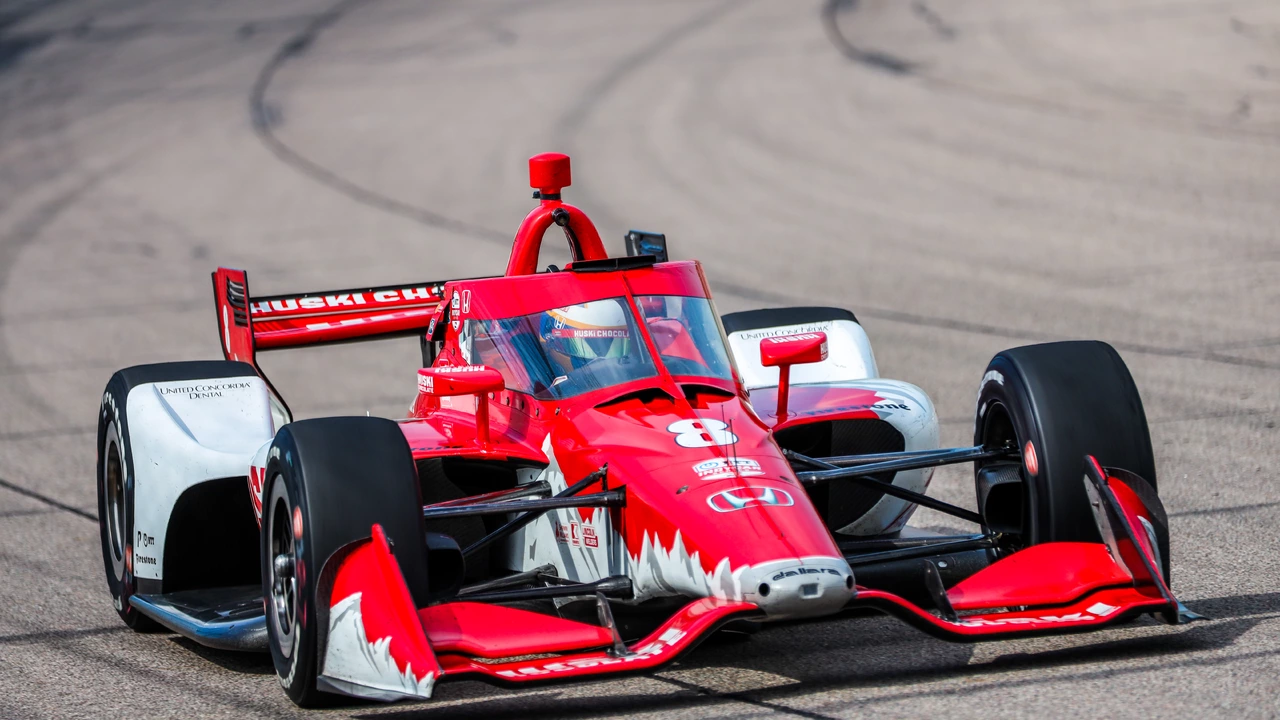
Why doesn't IndyCar imitate Formula 1 more to be as popular?
- by Ashton Beauregard
- on 1 Aug 2023
Alright folks, let's get our engines revving and dive into the hot topic - why doesn't IndyCar morph into Formula 1's twin to boost its popularity? Now, the primary reason is that IndyCar relishes being in its own unique lane, not just another F1 clone. It's got a distinct American flavor, with oval tracks and a more 'everyman' approach to racing that makes it uniquely appealing. Also, let's not forget that copying someone else's style is like wearing someone else's underwear - it might fit, but it's just not right. So, in essence, IndyCar is like the rebellious sibling of F1 - they might share some DNA, but each has its own groove going on.